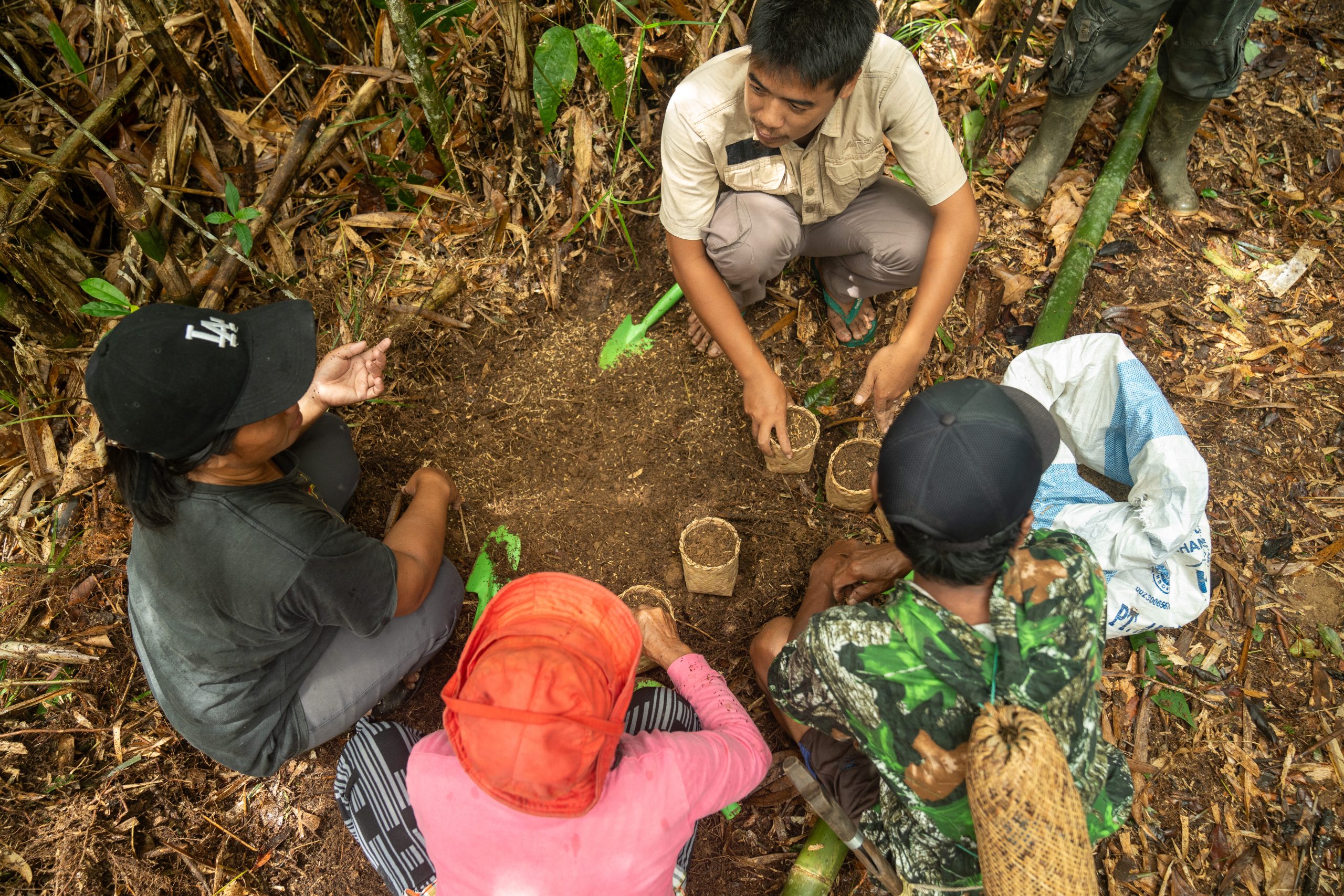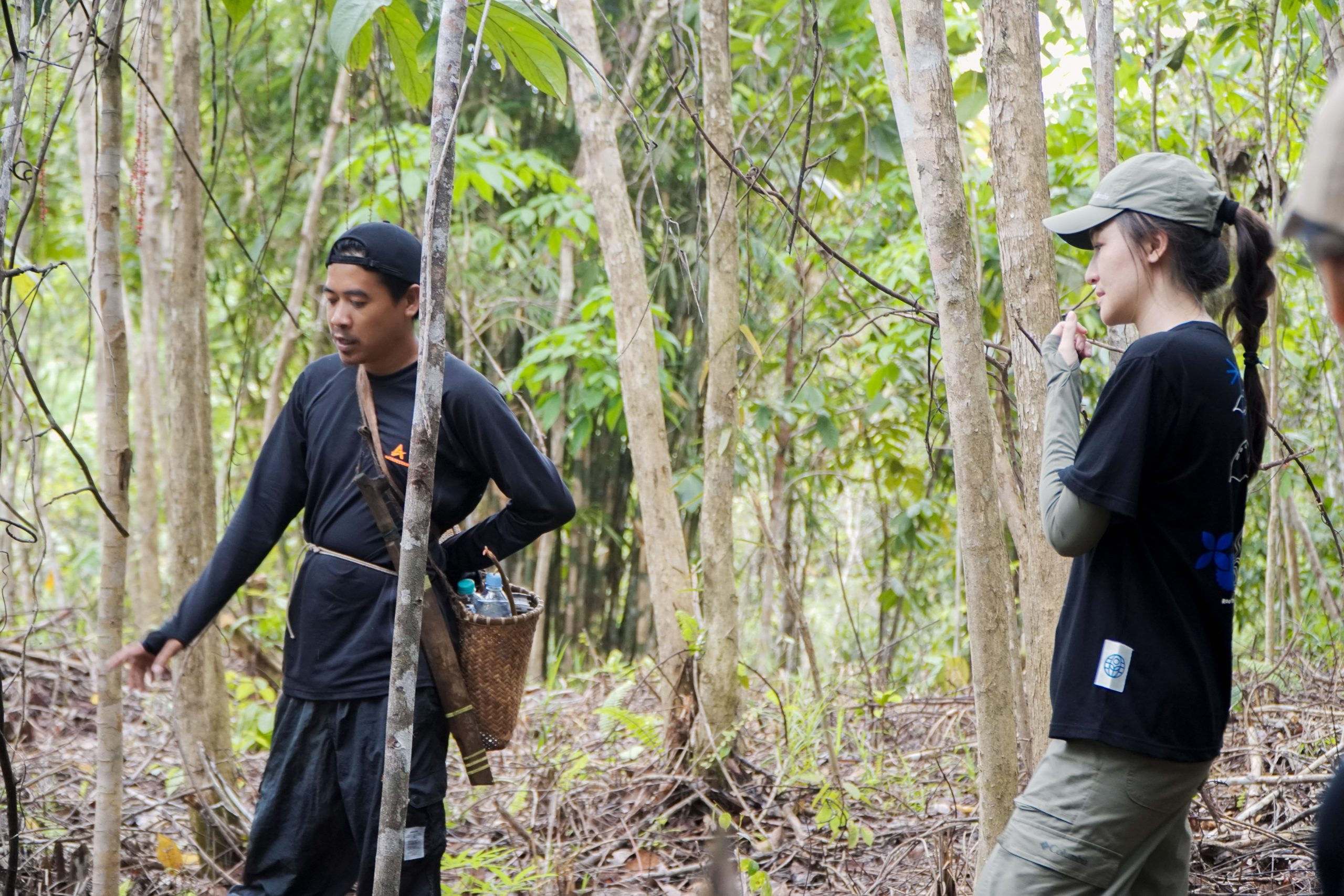
When floods swept across parts of Indonesia earlier this year, it didn’t just leave behind damaged homes and displaced families, it also forced a deeper reckoning for those working closest to the land.
We sat down with Tara, co-founder of Bumiterra, who described the moment as personal – given how deeply the issue ties back to the work she does in Bumiterra.
In this first part of our conversation, Tara reflects on climate grief, the limits of reforestation, and the uncomfortable reality that even the solutions we build may feel small against the scale of the crisis.
You’ve been working in reforestation for a few years now. But with the recent floods and climate events across Indonesia, how have you been processing everything?
It was a very difficult time for me – both personally and professionally.
My work is deeply tied to my personal values, so I couldn’t separate the two more often than not. When the floods happened, I felt a kind of grief that really seeped into everything I was doing. It wasn’t something I could just switch off at the end of the day. My grief leaked into my work.
There were moments where I questioned whether I should even continue Bumiterra in the way we’ve been building it.
We’re still a relatively small company. We’ve restored around 50 hectares to date.
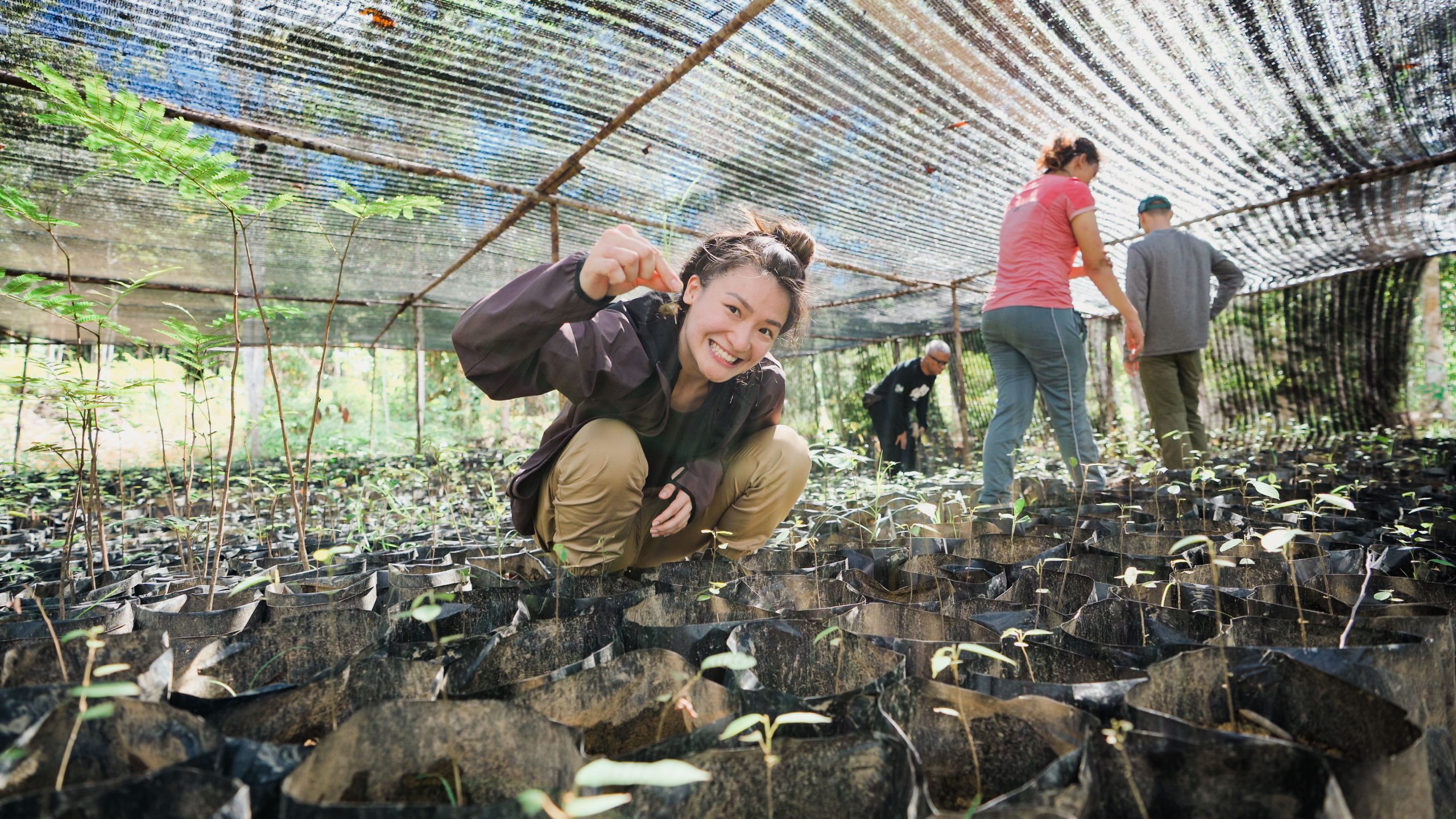
And when you’re faced with disasters of that magnitude, you start to question the impact of what you’re doing, whether it really moved the needle.
It became quite existential.
Did that moment change how you see the bigger system you’re operating in?
Absolutely. What the floods revealed very clearly is the scale of extraction that has shaped Indonesia for decades. Logging, mining, palm oil. These aren’t new stories, but I think the disaster accelerated public awareness in a way we haven’t seen before.
There was almost a kind of hyper-learning. Suddenly, more people understood how deeply our economy is tied to natural resources and how we’re still building an economy that depends on extraction.
And the reality is, that model hasn’t really changed.
Even industries that we associate with the future like AI, data centers, digital infrastructure, they’re still resource-intensive. They require land, energy, and materials.
At the moment, economic growth is still largely dependent on extraction.
Tara’s insight demonstrates that the pressure on ecosystems doesn’t disappear - it simply takes a different form.
How do you deal with that tension - between the scale of the problem and the scale of your work?
It’s something we constantly have to sit with.
There’s no easy way around it. The scale of environmental degradation is massive, and when you compare that to what a startup can realistically achieve, it can feel discouraging.
But I think part of the work is learning how to frame that tension. The question is whether we let that paralyse us, or whether we focus on what we can do within our power.
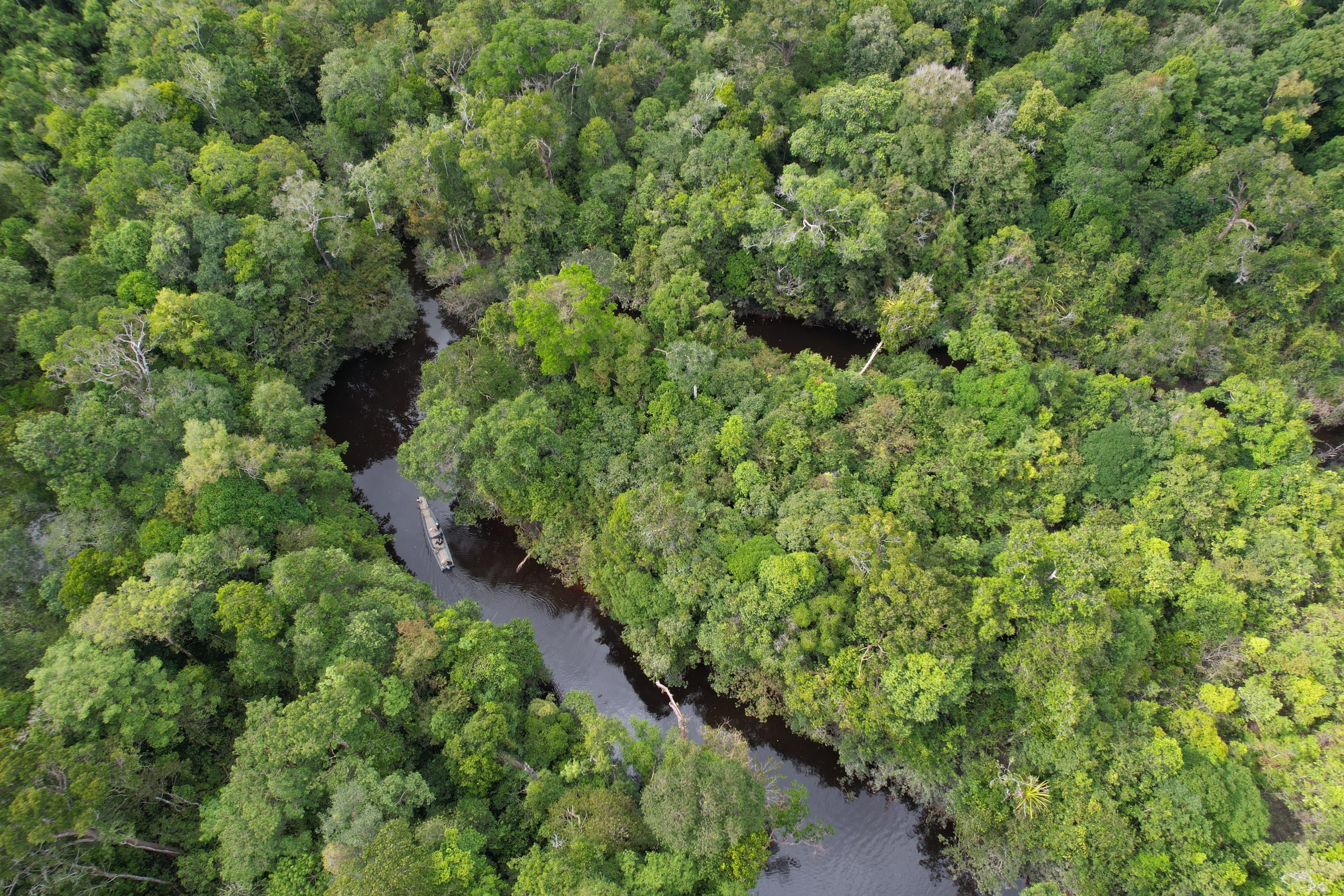
Because if you only look at the problem from a global scale, it’s very easy to feel like nothing you do matters.
Was there anything that gave you a sense of hope during that period?
Yes – ironically, the awareness that came out of it.
As terrible as the disaster was, it pushed people to start asking questions. You could see a shift in how individuals were talking about climate, about extraction, about where our resources come from. And I think that level of understanding is important.
Now, when you speak to the average Indonesian, there’s a much clearer awareness that our economy is deeply tied to natural resources and how we’ve been extracting them. That wasn’t always the case.
So where does that leave you now, both personally and as a founder?
I still feel that climate helplessness sometimes.
If anything, those feelings were actually what drives me to continue giving my best to Bumiterra – to make sure that its mission lives on, despite the many disasters we’ve seen or challenges we’ve faced. It is my way of trying to prove, at least to myself, that it’s possible to build a business that doesn’t just take from the environment, but actually restores it. Something that can still grow, and still be sustainable as a business, without causing harm.
But the feeling itself doesn’t just go away.
A lot of what we face, be it climate change or something more personal is systemic. It’s not something you can simply remove or fix on your own.
And when you try to think about eliminating the problem entirely, it can feel overwhelming.
What I’ve learned instead is that it helps to engage with it differently.
To do something, however small, that reminds you you’re not completely powerless. That you’re responding to it in some way.
And that shift, even internally, makes the helplessness feel a little more manageable.
As awareness grows, so does a different kind of question – one that moves beyond understanding the problem, and toward action.
What role do individuals actually play in climate action?
In the second part of this conversation, Tara shares how that question led to an experiment – one takes reforestation in a collective, ground-up approach.
Bagikan artikel ini
Bagikan di facebook
Bagikan di twitter
Bagikan di linkedin
Bagikan di whatsapp